When you click on links to various merchants on this site and make a purchase, this can result in this site earning a commission. Affiliate programs and affiliations include, but are not limited to, the eBay Partner Network.
Albert Kofranek came from humble beginnings: his father worked in a factory, and his mother, due to a serious illness, was unable to manage the household herself. As a result, he and his two siblings were exposed to housework from an early age and learned to cook as a child. After finishing school, Albert Kofranek completed a pastry chef apprenticeship in Vienna. In 1908, he went to Abbazzia as a cook\'s apprentice. Upon returning to Vienna in 1910, he found employment at the Hopfner restaurant in the city center. He intended to perfect his skills as a volunteer in Paris, but during the First World War, he was interned in a camp in Brittany, where he was forced to manage the camp kitchen for 1,600 people. Back in Austria, he worked in renowned establishments such as the Hotel Panhans in Semmering, the Grand Hotel in Gastein, the Hotel Bristol , and the Opera Restaurant. His artfully presented cold platters made him known beyond professional circles. In 1930, Kofranek won a silver medal at the Paris Culinary Exhibition for his egg dishes. The chef also published on the subject: in 1928, the cookbook \"Cold Egg Dishes\" was published by the Mödling publishing house \"Wiener Küche\".
In addition, Kofranek led cooking classes; initially at Alice Urbach \'s cooking school in Goldeggasse, in 1929 he and his wife opened their own cooking school in the Melker Hof and later also a lunch restaurant.
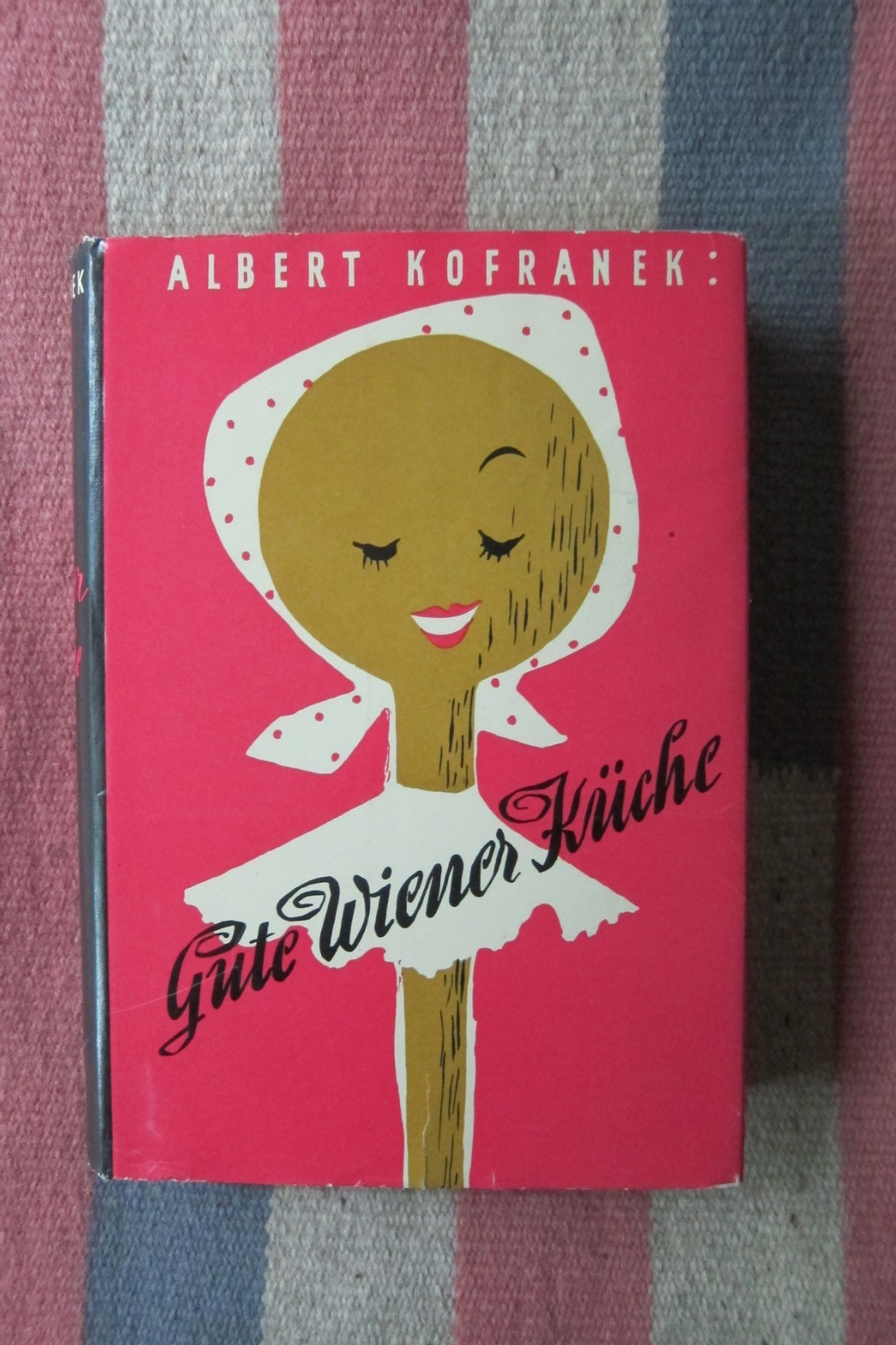
Shortly after the end of World War II, Albert Kofranek, like other prominent colleagues including Franz Ruhm , attempted to revive Viennese cuisine . In his cookbook \"Die gute Wiener Küche\" (1950), Kofranek also revealed \"secrets from the Viennese court kitchen.\" After all, Kofranek had been a student of the court chef Alexander Spörk. He also wrote for the newspaper Kurier under a pseudonym .
Kofranek remained a specialist in cold cuisine. He catered buffets for state visits and aristocratic weddings. In 1955, he accompanied the Austrian delegation to the State Treaty negotiations in Moscow.