When you click on links to various merchants on this site and make a purchase, this can result in this site earning a commission. Affiliate programs and affiliations include, but are not limited to, the eBay Partner Network.
The Nile on
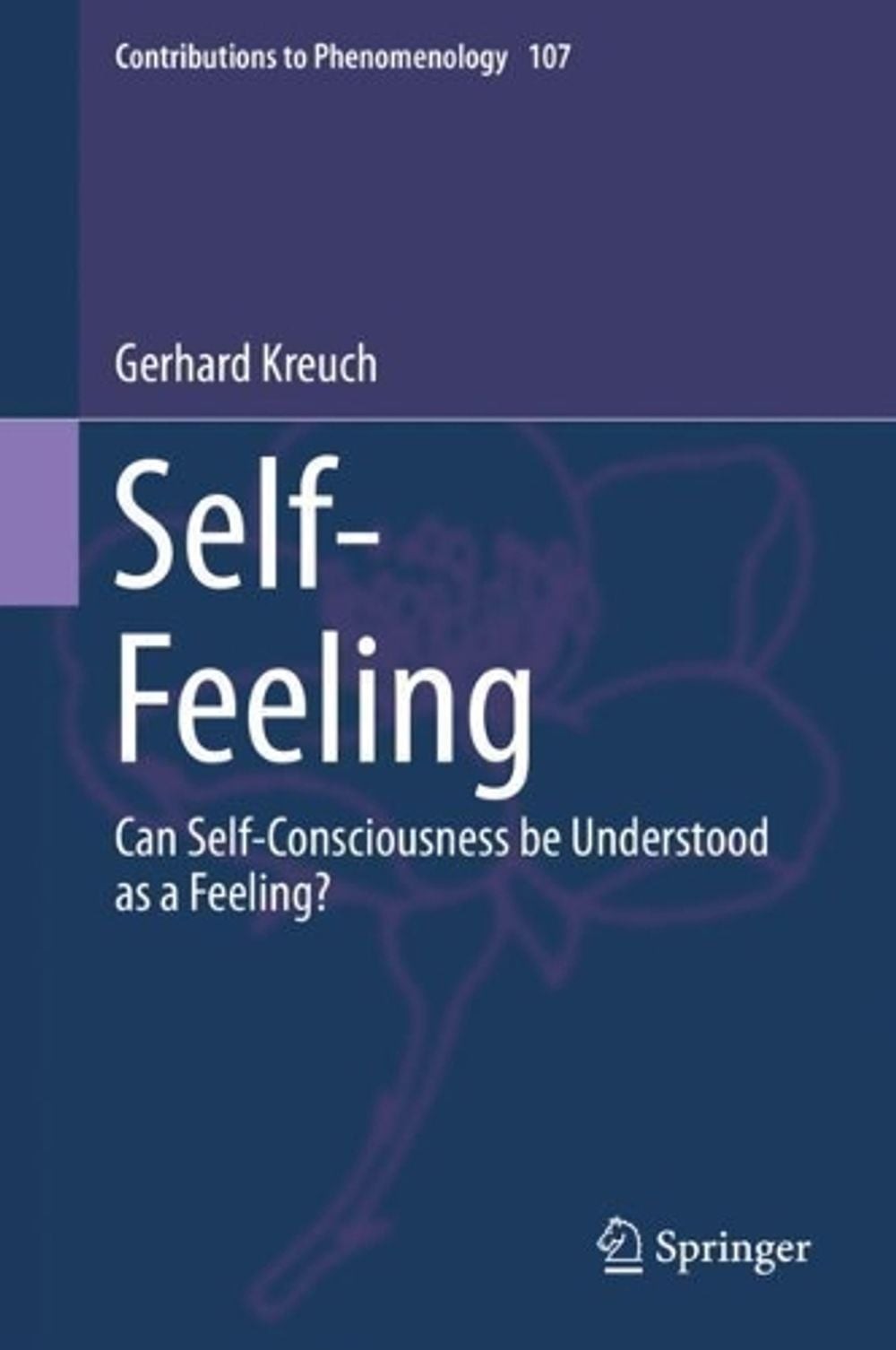
Self-Feeling by Gerhard Kreuch
The results enrich the philosophy of human affectivity and help shed new light on some pressing, current author seeks to understand self-consciousness as an affective phenomenon, namely as self-feeling.
FORMAT
Hardcover LANGUAGE
English CONDITION
Brand New Publisher Description
This monograph offers new insights into the connection between self-consciousness and emotion. It focuses on what fundamental "feelings of being" tell us about ourselves. The results enrich the philosophy of human affectivity and help shed new light on some pressing, current author seeks to understand self-consciousness as an affective phenomenon, namely as self-feeling. He identifies it as a pre-reflective, pre-propositional, bodily feeling that shapes our space of possibilities. It is the affective disclosure of individual existence. His account overcomes the difficulties of infinite regress and vicious circularity that reflective (or higher-order) accounts of self-consciousness struggle with. At the same time, it helps build a bridge between the basic level of self-consciousness and the higher level of more substantial thoughts about oneself. The title explores fundamental affectivity, Matthew Ratcliffe's theory of existential feelings, features of self-feeling, and appropriateness and inappropriateness in self-interpretation. It also considers the contributions of the Heidelberg School of self-consciousness to current title provides students and researchers with a unique look into such vital philosophical questions as: What is self-consciousness? How do we know ourselves? It will also appeal to a wider audience interested in self-consciousness and/or human affectivity since it does not presuppose knowledge of the jargon.
Back Cover
This monograph offers new insights into the connection between self-consciousness and emotion. It focuses on what fundamental "feelings of being" tell us about ourselves. The results enrich the philosophy of human affectivity and help shed new light on some pressing, current problems. The author seeks to understand self-consciousness as an affective phenomenon, namely as self-feeling. He identifies it as a pre-reflective, pre-propositional, bodily feeling that shapes our space of possibilities. It is the affective disclosure of individual existence. His account overcomes the difficulties of infinite regress and vicious circularity that reflective (or higher-order) accounts of self-consciousness struggle with. At the same time, it helps build a bridge between the basic level of self-consciousness and the higher level of more substantial thoughts about oneself. The title explores fundamental affectivity, Matthew Ratcliffe's theory of existential feelings, features of self-feeling, and appropriateness and inappropriateness in self-interpretation. It also considers the contributions of the Heidelberg School of self-consciousness to current debates. The title provides students and researchers with a unique look into such vital philosophical questions as: What is self-consciousness? How do we know ourselves? It will also appeal to a wider audience interested in self-consciousness and/or human affectivity since it does not presuppose knowledge of the jargon.
Table of Contents
Chapter 1. Introduction.- Part I.Self-Consciousness.- Chapter 2. A Brief Overview of Philosophy of Self-Consciousness.- Chapter 3. Challenges in Current Philosophy of Self-Consciousness – The Heidelberg School.- Chapter 4. The Affective Turn.- Part II. Affectivity.- Chapter 5. A Brief Overview of Philosophy of Human Affectivity.- Chapter 6. Matthew Ratcliffe's Theory of Existential Feelings.- Chapter 7. Stephan and Slaby´s Complementary Work.- Part III. Self-Feeling.- Chapter 8. The Features of Self-Feeling.- Chapter 9. How this Account of Self-Feeling Contributes to Today´s Debates.- Chapter 10. Self-Feeling and Unity.- Chapter 11. Appropriateness of Self-Feeling.- Part IV. Self-Feeling and Thought: Self-Interpretation.- Chapter 12. Self-Interpretation.- Chapter 13. Appropriateness and Inappropriateness in Self-Interpretation.- Chapter 14. Authenticity.
Feature
Brings together contemporary research on self-consciousness with philosophy of emotions Builds a bridge between the basic level of self-consciousness and the higher level of more substantial thoughts about oneself Explores in detail the contributions of the Heidelberg School of self-consciousness to the current debates
Details ISBN3030307883 Author Gerhard Kreuch Pages 266 ISBN-10 3030307883 ISBN-13 9783030307882 Format Hardcover Year 2019 Publication Date 2019-11-20 Short Title Self-Feeling Language English DOI 10.1007/978-3-030-30789-9 Series Number 107 UK Release Date 2019-11-20 Place of Publication Cham Country of Publication Switzerland Illustrations XVII, 266 p. Publisher Springer Nature Switzerland AG Series Contributions to Phenomenology Imprint Springer Nature Switzerland AG Subtitle Can Self-Consciousness be Understood as a Feeling? DEWEY 142.7 Audience Professional & Vocational Edition Description 2019 ed. Edition 2019th Country of Origin NL Product Class Description Philosophy Alternative 9783030307899
We\'ve got this
At The Nile, if you\'re looking for it, we\'ve got it.
With fast shipping, low prices, friendly service and well over a million items - you\'re bound to find what you want, at a price you\'ll love!
TheNile_Item_ID:130598541;