When you click on links to various merchants on this site and make a purchase, this can result in this site earning a commission. Affiliate programs and affiliations include, but are not limited to, the eBay Partner Network.
RAREULTRA FINE ANTIQUE MAX LEVY GLASS HALFTONE SCREEN – 20.5” X 16.5 “– 133 LPI
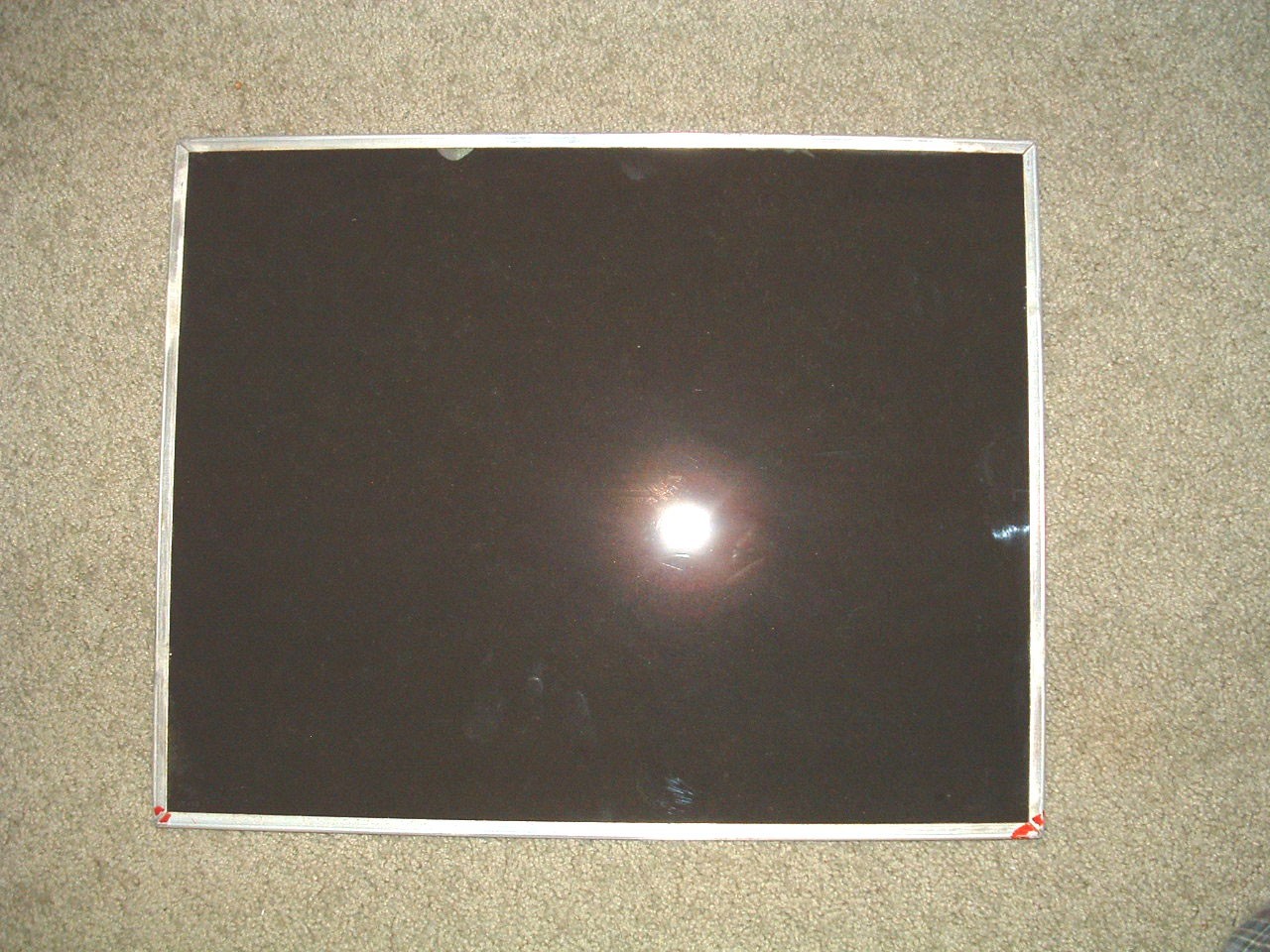
Item Description: Up for sale is anincredibly rare, large-format antique glass halftone printing screenmanufactured by the legendary Max Levy & Co. (Philadelphia, PA). Thisspecific piece represents the high-end peak of 20th-century precision printingtechnology. Dimensions: 20.5 inches x16.5 inches (Large format) Ruling:133 Lines Per Inch (133 LPI). Unlike coarse newspaper screens, a fine 133-lineruling was the luxury standard used for full-page photographic reproductions inpremium fashion magazines, high-end commercial catalogs, and fine art books.Because the lines are so microscopic, the glass has a beautiful, smooth, smokygrey appearance that showcases the absolute pinnacle of Max Levy’s precisionengineering. Markings: Retains itsoriginal factory metal protective rim, clearly stamped with the Max Levy name,location, and technical specifications.
Myhistory with these Screens: These screens were used in aPhoto-Engraving Business (1950 – 1983). My Father was employed there and keptthe screens when it closed. I kept them when he passed. They have beencarefully stored in a climate controlled environment since they were new.
Condition: PRISTINE/ MUSEUM QUALITY. The optical glass is completely clear. There is a tiny spot on the left side whichmay be delamination. No other clouding, or peeling between the laminatedlayers. The etched grid is completely perfect. There are a few tiny chips inthe glass where it meets the frame…assume they were caused when the glass wasput into the frame. Finding a massive 133 LPI screen completely free of agedegradation is a true anomaly. This is an exceptionally rare find, as mostsurviving screens from this era suffer from moisture damage or adhesivedegradation. Perfect for letterpress printmakers, printing historians, or as astriking industrial design display piece
Seephotos. The photo of theentire screen is a random photo of one of the screens. Feel free to ask formore photos or details.