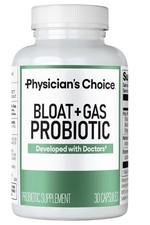
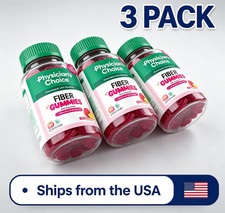
When you click on links to various merchants on this site and make a purchase, this can result in this site earning a commission. Affiliate programs and affiliations include, but are not limited to, the eBay Partner Network.
An Introduction to United States Postage Stamps1. Brief HistoryThe United States officially released its first national adhesive postage stamps on July 1, 1847, issued by the U.S. Post Office Department (now USPS, United States Postal Service).1847 5¢ Franklin StampThe two inaugural stamps featured:5-cent stamp: Benjamin Franklin, America’s first Postmaster General10-cent stamp: George Washington, the first U.S. PresidentBefore 1847, mail fees were usually collected from recipients upon delivery, and private local carriers ran temporary stamp services in major cities like New York. Stamps became mandatory for all domestic mail in 1855.Since 1847, tens of thousands of unique stamp designs have been printed, evolving from raw imperforate paper sheets to modern self-adhesive stickers.2. Main Stamp Categories Issued by USPS(1) Definitive Stamps (Regular-Issue Stamps)These are the everyday \"workhorse\" stamps for routine mailing, printed in massive quantities and reissued for many years.US Flag Forever DefinitiveClassic themes: American flags, national leaders, wildlife, landmarksMost modern definitives are Forever Stamps (no fixed numerical denomination)(2) Commemorative StampsLaunched in 1893, these limited-run stamps celebrate significant figures, historical events, art, culture, holidays, and state anniversaries.Produced in smaller print runs and sold for only several months; unsold inventory is destroyedPopular series: Love stamps, Christmas holiday sets, space exploration, Hollywood legends, Native American heritage, and statehood tributes(3) Forever Stamps (The Most Popular Modern Type)Introduced in 2007 with the Liberty Bell design, Forever Stamps carry no printed cash value.2007 Liberty Bell First Forever StampTheir value automatically matches the current domestic 1-ounce First-Class letter rate, no matter how postal prices rise laterIdeal for collectors and frequent mail senders to hedge against rate hikes(4) Semipostal StampsSold at a price higher than standard postage. The extra profit funds public welfare causes, such as breast cancer research, veteran support, and wildlife conservation.Other Special TypesAirmail stamps: For international air delivery (less common today)Parcel Post stamps: For large packagesOfficial stamps: Reserved for U.S. government agency mail3. Key Features & Production FactsSelf-Adhesive Technology: Self-sticking stamps replaced water-activated gum nationwide in the 1990s; nearly all USPS stamps sold today are peel-and-stick.Validity Rule: All U.S. postage stamps issued after 1860 remain permanently valid for domestic mail, even decades after their release date.Design Standards: Every stamp bears the mark \"USA\" to indicate its country of origin. Early stamps only portrayed presidents; modern issues feature diverse subjects including artists, athletes, flora, fauna, and global cultural motifs.Collecting Market (Philately): U.S. stamps form one of the world’s largest stamp collecting markets. Collectors use the Scott Catalog numbering system to identify and value every official U.S. stamp. Rare vintage varieties can reach six- or seven-figure prices at sales.4. Core FunctionsPostal Payment: Prepay domestic and international mail delivery fees for letters, postcards, flats, and small parcels.Cultural Carrier: Stamps act as miniature national artworks that record American history, society, and values.Collectible Asset: Mass-produced modern stamps are affordable hobby items, while scarce antique stamps are valuable collectibles for investors and philatelists.Short Version (For E-commerce / Brief Introduction)United States postage stamps are adhesive labels issued by USPS to prepay mail delivery fees. The first U.S. stamps came out in 1847, featuring Benjamin Franklin and George Washington. The most widely used type today is Forever Stamps, which hold permanent First-Class mail value despite postal rate increases. USPS releases two primary stamp lines: regular definitive stamps for daily use, and limited-edition commemorative stamps honoring people, events and holidays. All U.S. stamps printed after 1860 stay valid forever, and they are also popular worldwide philately collectibles tracked by Scott catalog numbers.
Red bottle Physician\'s Choice digestive enzymes capsules (60 count), 3-in-1 formula with 16 multi enzymes, organic prebiotics and SBO probiotics. Doctor-developed blend relieves post-meal bloating, boosts nutrient absorption and balances gut flora, shelf-stable acid-resistant daily gut support supplement for adults.