When you click on links to various merchants on this site and make a purchase, this can result in this site earning a commission. Affiliate programs and affiliations include, but are not limited to, the eBay Partner Network.
Hawaii Kingdom History - Ke Kumu Aupuni by S.M. Kamakau - 1996 HC/DJ 1st EditionKe Kumu Aupuni: Ka Moʻolelo Hawaiʻi no Kamehameha Ka Naʻi Aupuni a me Kāna Aupuni i Hoʻokumu Ai — Samuel Mānaiakalani Kamakau. An important Hawaiian-language history of Kamehameha I, the political unification of the Hawaiian Islands, and the establishment of the Hawaiian Kingdom. Written by celebrated Native Hawaiian historian Samuel Mānaiakalani Kamakau, the volume presents a detailed Indigenous account of Kamehameha’s ancestry, youth, rise to power, military campaigns, government, family, successors, and historical era.
The text is printed primarily in ʻōlelo Hawaiʻi and preserves Kamakau’s original newspaper history, first serialized in Ka Nūpepa Kūʻokoʻa from 1866 through 1868. This 1996 edition brings the articles together as a continuous narrative, retaining their Hawaiian-language form and period perspective. Preliminary material includes an English Summary, explanatory material, and a biographical section on S. M. Kamakau.
Subjects and historical figures include Kamehameha I, Kamehameha II or Liholiho, Kalaniʻōpuʻu, Keōua Kūʻahuʻula, Kahekili of Maui, Kīwalaʻō, Kameʻeiamoku, Kamanawa, Keʻeaumoku, Keōpūolani, Kaʻahumanu, John Young, Isaac Davis, and Captain James Cook. Places and islands discussed include Hawaiʻi, Maui, Oʻahu, Kauaʻi, Molokaʻi, Kona, Hilo, Honolulu, Waialua, Lahaina, Ewa, Puʻukoholā, Kealakekua, and Kalae.
The extensive contents trace Kamehameha’s genealogy and birth; the careers of Alapaʻi, Peleioholani, Kalaniʻōpuʻu, and Kahekili; ancient priests, temples, religious customs, warfare, prophecy, law, agriculture, chiefly succession, and social organization; Captain Cook’s voyages and death at Kealakekua Bay; conflicts following the death of Kalaniʻōpuʻu; the Battle of Mokuʻōhai; Kamehameha’s campaigns on Maui and Oʻahu; the Battle of Nuʻuanu; construction of Puʻukoholā Heiau; consolidation of the islands under a single government; foreign ships, traders, firearms, missionaries, and changing relations between Native Hawaiians and foreigners; Kamehameha’s final years and death at Kailua, Hawaiʻi; and the accession of Liholiho.
Samuel Mānaiakalani Kamakau was born at Waialua, Oʻahu, in 1815 and studied at Lahainaluna Seminary on Maui. He became one of the foremost nineteenth-century Hawaiian historians, genealogists, scholars, and newspaper writers. Much of his work drew upon oral histories, genealogies, traditional knowledge, and accounts supplied by people who had lived during the closing decades of the eighteenth century and the early Hawaiian Kingdom. He died in 1876.
This edition is especially valuable to collectors and researchers interested in Hawaiiana, ʻōlelo Hawaiʻi, Native Hawaiian literature, Indigenous historiography, Hawaiian genealogy, Kamehameha I, Captain Cook, the Hawaiian monarchy, Lahainaluna, nineteenth-century Hawaiian newspapers, Pacific history, and the political formation of the Hawaiian Kingdom.
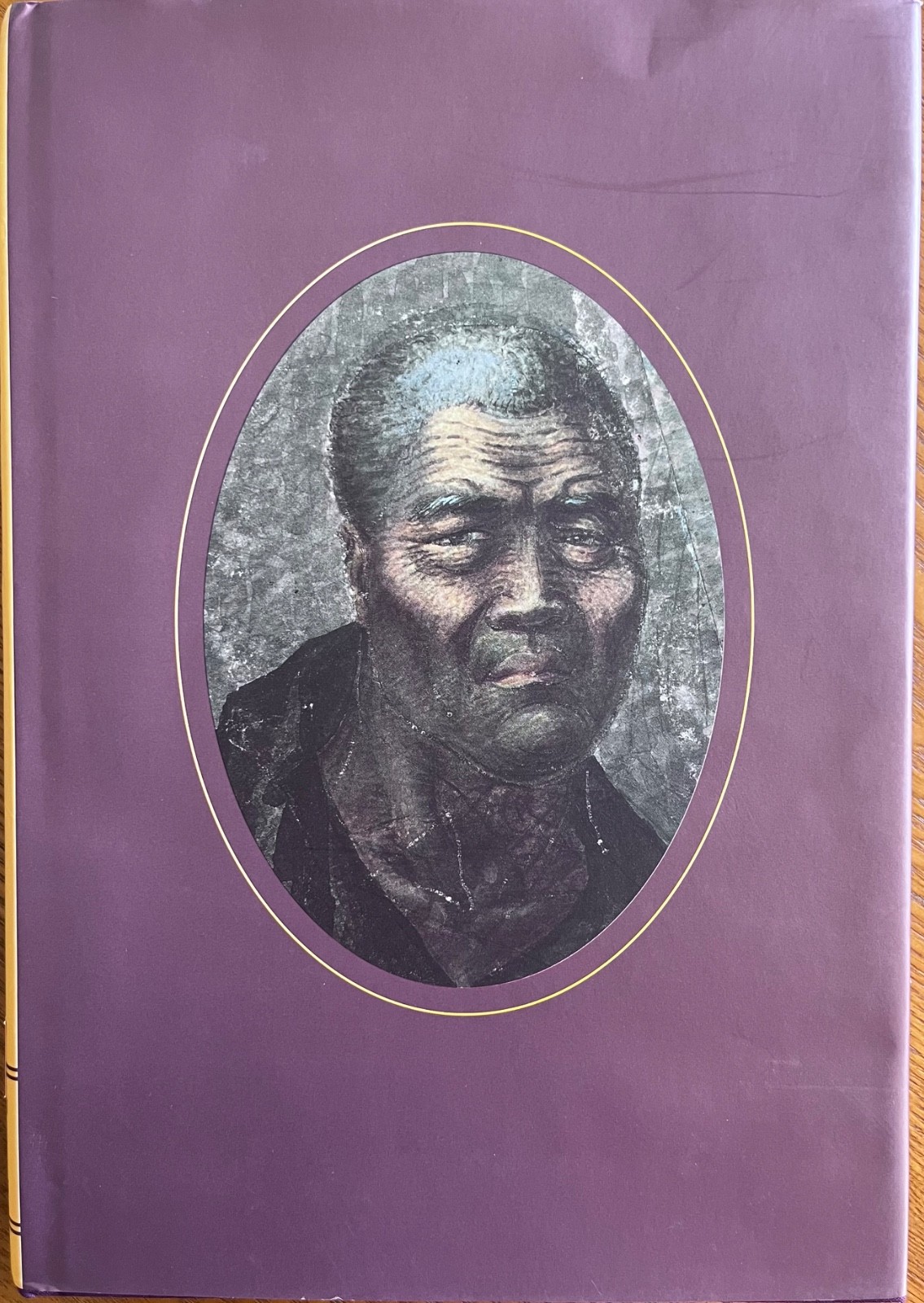
Illustrated with a frontispiece portrait of Samuel Mānaiakalani Kamakau. The dust jacket reproduces Kamakau’s portrait on the rear and includes Hawaiian-language descriptive text on the flaps. Decorative turquoise endpapers complement the purple cloth binding and dust jacket.
Condition: Hardcover with dust jacket. The photographed copy appears clean and firmly bound, with light handling and minor edge or corner wear to the jacket. Please review the photographs for the most accurate assessment of condition.
Publishing information: Ke Kumu Aupuni: Ka Moʻolelo Hawaiʻi no Kamehameha Ka Naʻi Aupuni a me Kāna Aupuni i Hoʻokumu Ai; author Samuel Mānaiakalani Kamakau; published by ʻAhahui ʻŌlelo Hawaiʻi; distributed by Native Books, Honolulu, Hawaiʻi; copyright 1996; hardcover with dust jacket; Hawaiian-language text with an English summary; approximately 263 numbered pages plus preliminary matter; book design by Barbara Pope; ISBN 9781883528034; Library of Congress Catalog Card Number 9679650.